THE PATH, PIECE BY PIECE
I Foundations
II Practice
III Portfolio
IV Local requirements
V Development
How to Become a Cosmetic Tattoo Artist
Nobody becomes a confident brow artist in a single step. The path runs through structured training, patient practice, a portfolio that shows what your hands can do, and a habit of learning that continues long after your first client. Here is how those pieces fit together.
I
I — FOUNDATIONS
Start with the pattern
Cosmetic tattooing puts pigment into living skin, so your first job is to understand the material. Good foundational training covers how skin is layered and how it heals, how pigment behaves over time, how to keep a clean and safe workstation, and how to measure and design a brow that suits the face in front of you.
Most new artists begin with eyebrows. The brow is a contained area with clear proportions, and it teaches the core disciplines of mapping, stroke or shade control and colour judgement that carry into every later technique.
PATTERNS TO CONSIDER
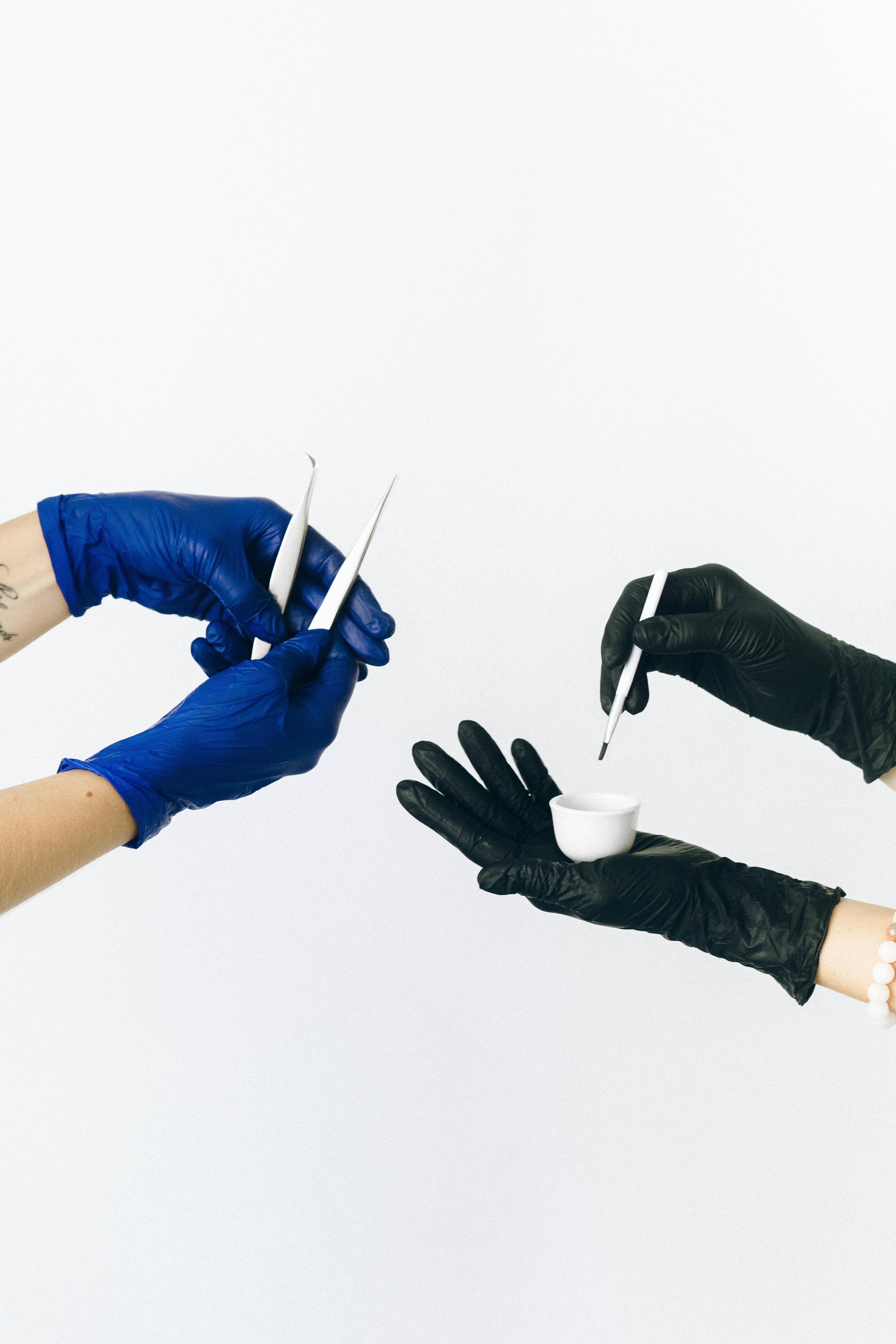
II — PRACTICE · TOOLS IN GLOVED HANDS, REFERENCE IMAGE
II — PRACTICE
Steady the hand
Training gives you the method. Practice turns it into control. Expect to spend real time on practice skin working through stroke drills, pressure consistency, spacing and symmetry before and alongside supervised work on live models.
Practise with intent. Map every brow before you mark it, photograph your drills and compare them week to week, and ask for feedback on the details you cannot see yet. Measuring first is a habit worth building early, and our guide to Brow Mapping explains why.
III · IV · V — THE FINISHING PIECES
From trainee to working artist
Build a record of real results
Clients choose an artist by looking at brows. Photograph your work consistently, in the same light and at the same angles, and include healed results wherever clients agree. A small, honest set of well-documented brows says more than a large collection of edited images.
Check what applies where you work
Rules for skin penetration and cosmetic tattoo businesses vary across Australian states, territories and local councils. Before you take on clients, confirm what applies to you directly with your state or territory health department and your local council, including premises, hygiene and any registration obligations.
Keep adding to the pattern
Good artists keep learning. Once one technique is reliable, many add another, moving from hair strokes into shading or combining the two. Revisit your mapping, study your healed work closely and refine your technique as your client base grows.
Take your first measurement
When your answers feel clear, talk with us about which course fits where you are starting from.
QUESTIONS TO ANSWER FOR YOURSELF
01 Am I new to brows, or already working with them?
02 Do I lean towards hair strokes, soft shading or both?
03 How much time can I commit to practice after training?
04 Have I checked local requirements where I plan to work?
05 What do I want my portfolio to show in its first year?